Managing the Change in Organizations Training: Mir 91
 12 – 35
 8 h
8 h
 on-site or remotely
Change Management Training: Understanding project management methods in practice
MIR ’91 is a business simulation that builds on the Raven 13 experience and moves project management to a more strategic level. Instead of focusing only on task delivery, participants work on how projects drive real business outcomes. The training covers transformation, selecting the right ways of working, and managing a portfolio of initiatives. A key element is management of change-understanding how change impacts people, decisions, and day-to-day operations.
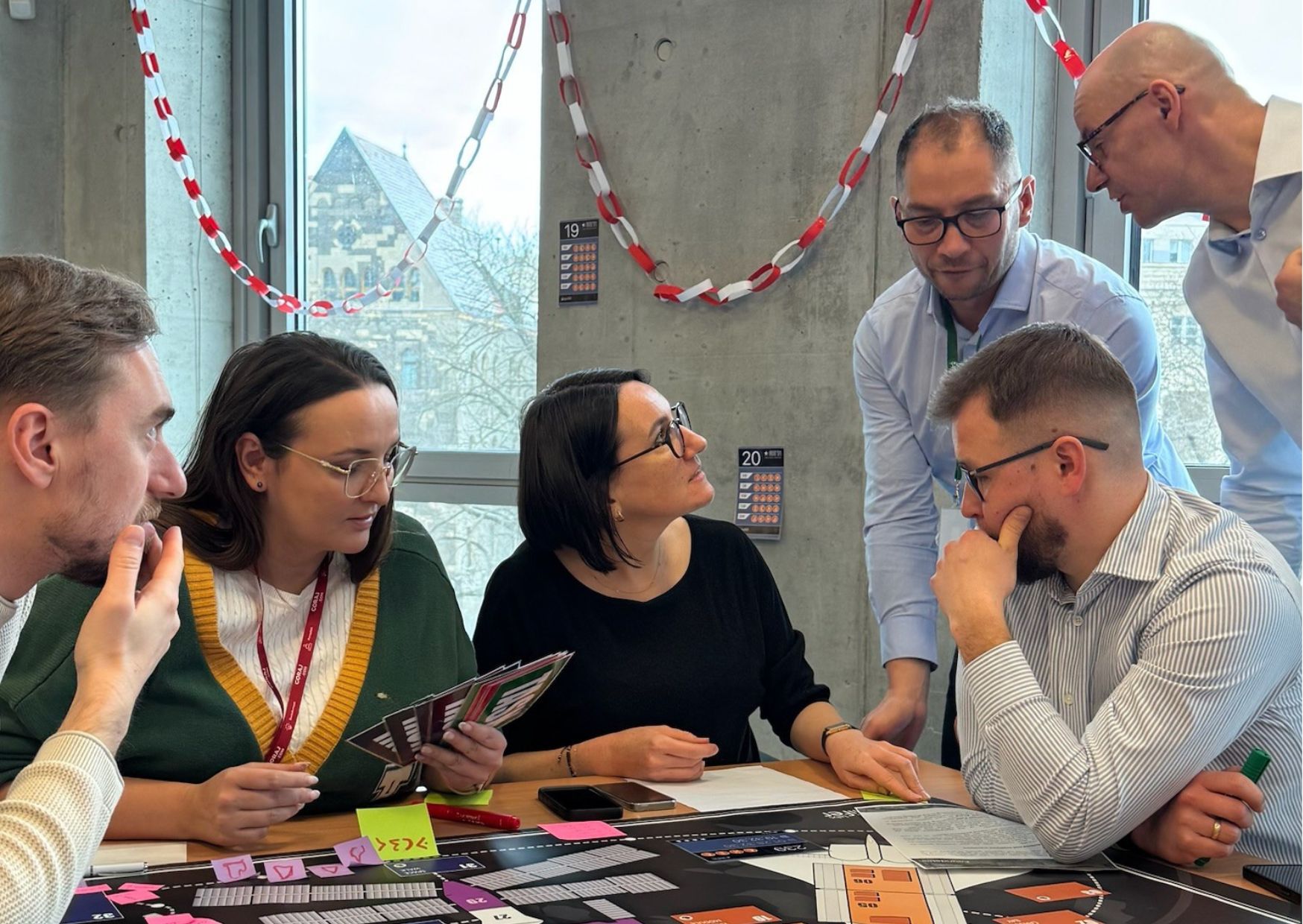
In MIR ’91, teams are responsible for more than a single project. They focus on aligning the entire project system. They define what a project is, set clear priorities, build practical roadmaps, and measure outcomes – not just outputs. The simulation also highlights how internal and external factors impact decisions and results, helping managers make better decisions in a complex, fast-changing environment.
What you will experience with MIR 91 training
-
Operating in complex environments
-
Cross-team alignment
-

Driving transformation and organizational growth
-

Managing conflict and tension
How MIR 91 training supports organizational transformation
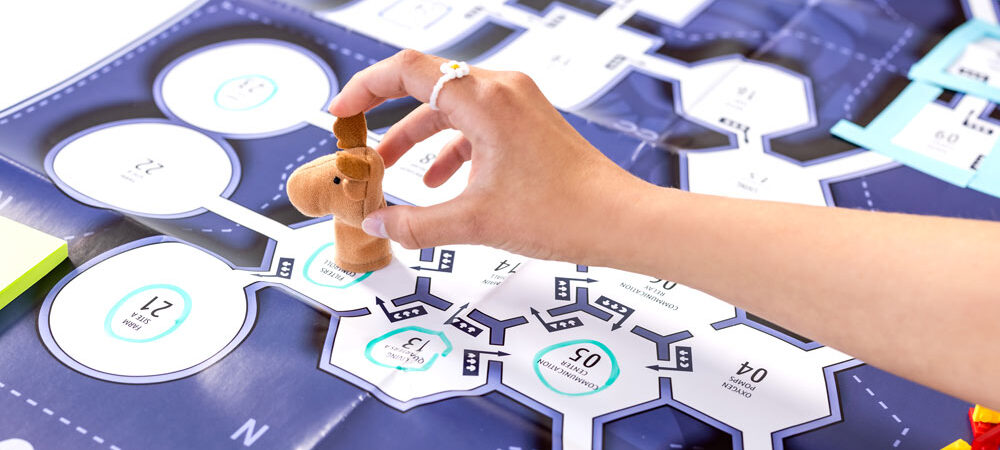
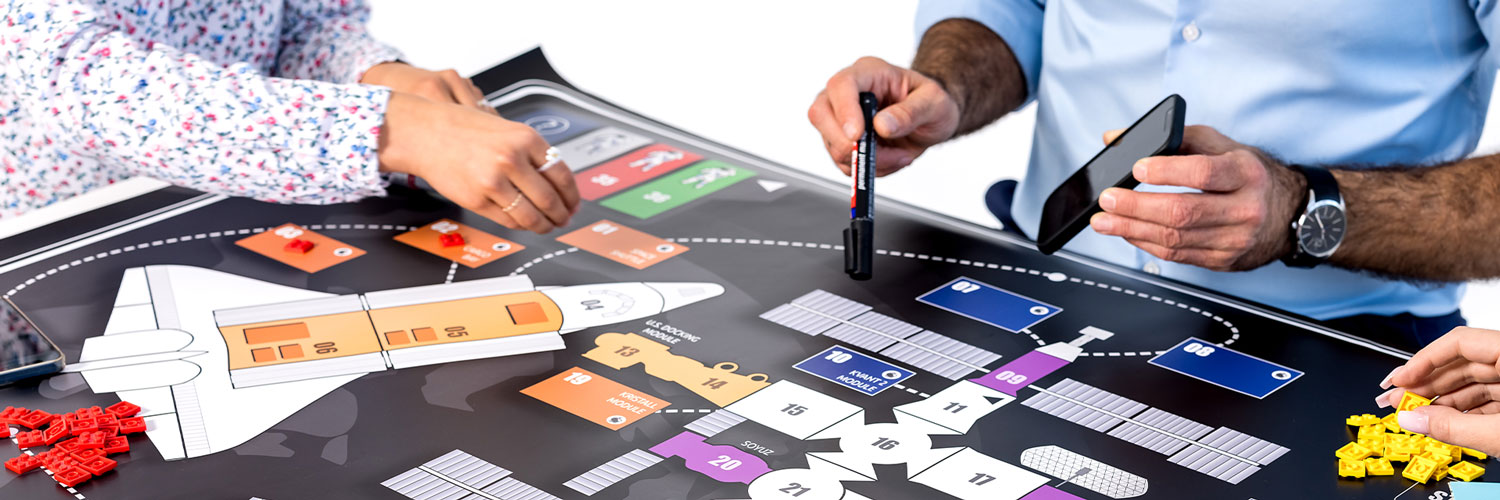
MIR ’91 is a simulation set in an international space mission. Participants take on roles in teams responsible for preparing and delivering a complex orbital operation. They work across different functions, backgrounds and ways of working. Every decision has consequences and quality is critical. Either the system works, or the mission is at risk.
This setup reflects how transformation works in real organizations. Teams need to define a shared goal, set priorities, build a realistic roadmap, and coordinate work across multiple teams. They operate under time pressure, with limited resources, and often with incomplete information. At the same time, they must keep the whole system aligned. The simulation provides continuous feedback, allowing teams to track progress, assess results, and adjust their approach.
Change Management in Organizations Training: MIR ’91 goes beyond project execution. Participants experience what transformation looks like in practice: how to align teams, agree on ways of working, define clear quality standards, and connect daily work with strategic goals. As the simulation progresses, it becomes clear that success depends not only on planning, but on collaboration, communication, and consistent execution. Clear communication of goals and changes is critical to keep people engaged and aligned.
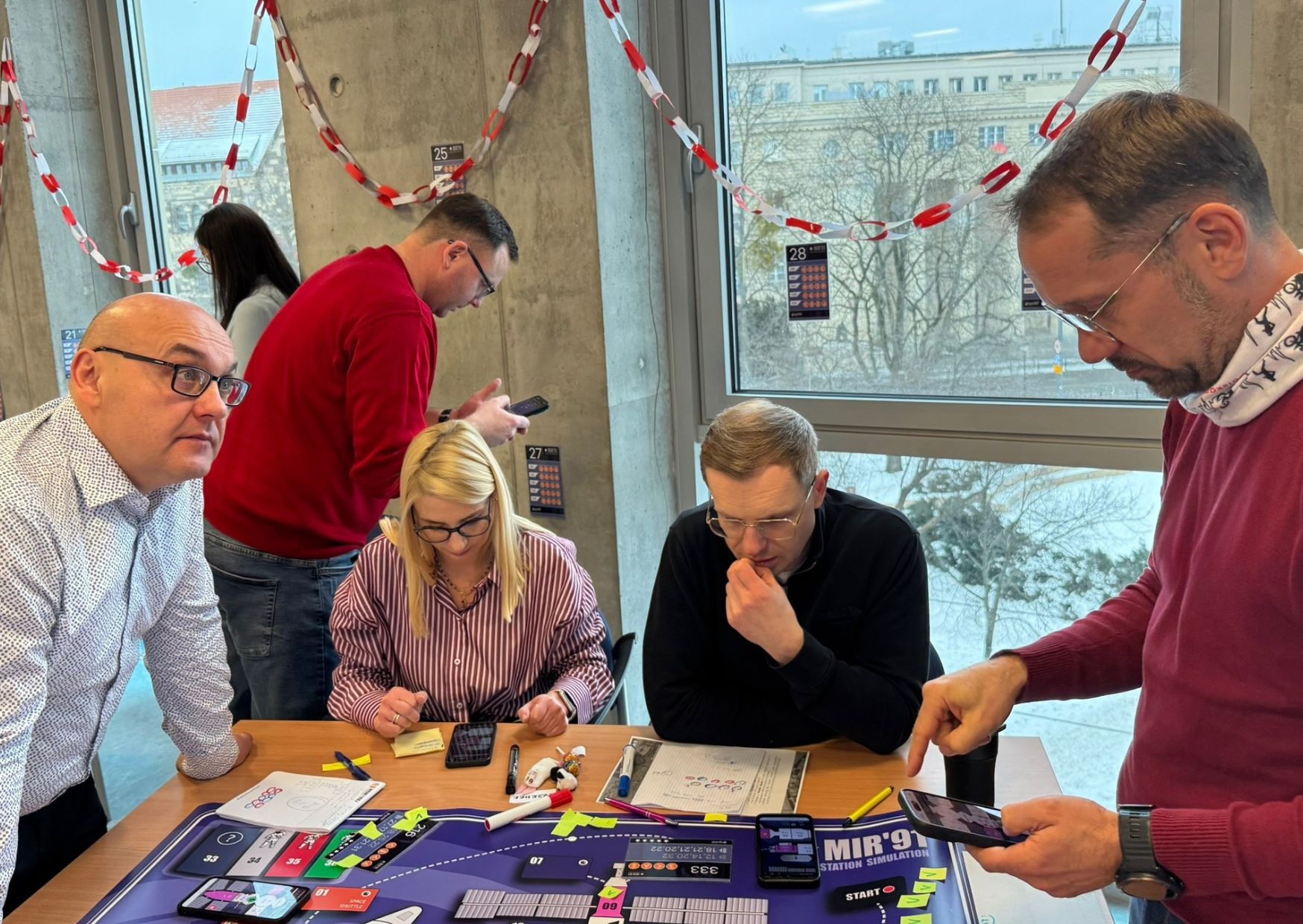
The training demonstrates that management of change requires discipline and maturity. A clear vision is important, but it’s not enough on its own. Teams need clear decisions, a conscious choice of approach, regular reviews, and the ability to adjust direction when needed. As in any high-stakes environment, progress must be continuously monitored, and small deviations corrected early before they turn into bigger problems. Participants use practical models and frameworks to support planning and execution.
As a result, participants not only understand how to manage change, but also experience what it means to be responsible for the success of the entire mission. They see how team behaviors and decisions impact outcomes, and how lack of alignment or leadership can put the whole effort at risk.
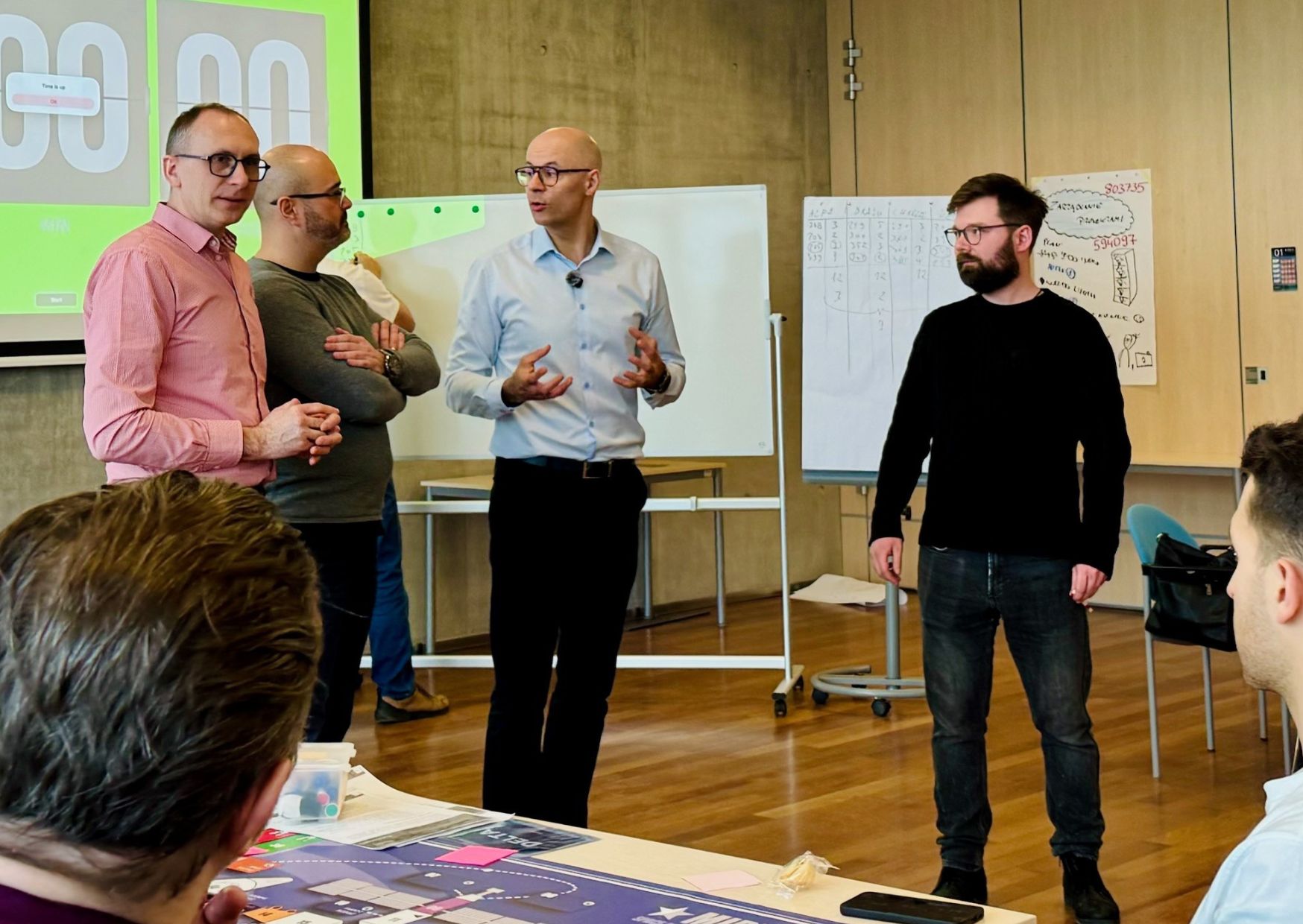
Methods and strategic decision-making
Unlike Raven 13, which focuses on delivering a single project effectively, MIR ’91 shifts participants to the level of strategic and transformation decisions. Project management here goes beyond timelines and scope control. It focuses on how the full project system works across the organization. Participants explore different ways to manage change, including models such as Lewin, Kotter, and Beckhard, as well as agile and iterative approaches like PDCA. They learn how to choose the right approach based on the situation, the scale of change, the level of uncertainty, and the maturity of the teams. This includes knowing when to apply structured frameworks like PMBOK or PRINCE2, and when adaptive approaches such as AgilePM or Scrum are a better fit.
During the simulation, participants see that the choice of method is a strategic decision. It depends on both internal and external factors. Different types of transformation require different levels of control, communication, and risk management. MIR ’91 demonstrates how business context shapes planning, how to build a clear transformation roadmap, how to set priorities across a portfolio of initiatives, and how to manage dependencies between projects. Participants experience that effective project management requires conscious decisions and the ability to adapt methods to strategic goals and real business conditions.
The training also goes beyond operational planning and encourages reflection on project maturity across the organization. Participants assess whether projects support the strategy or respond only to short term needs. MIR ’91 helps leaders make structured, long term decisions about how to manage change. It also highlights the risks of choosing the wrong approach. Poor alignment between methods and context can lead to resistance, inefficiencies, and loss of control over key processes.
Training Objectives
The training helps participants build practical tools and management skills needed to lead organizations through change. Participants learn through hands on experience how to communicate change in a clear and engaging way, how to analyze real business situations, and how to respond to different reactions from employees in a changing environment.
The training takes a practical approach, based on exercises, real case analysis, and materials that can be applied in everyday work with teams. As a result, managers and leaders build not only knowledge, but also practical skills that improve effectiveness and strengthen employee engagement across the organization.
The program is designed for those who want to do more than manage change. It supports leaders in building long term competitive advantage through conscious management of change and continuous development of key capabilities.
Certifications and practical knowledge
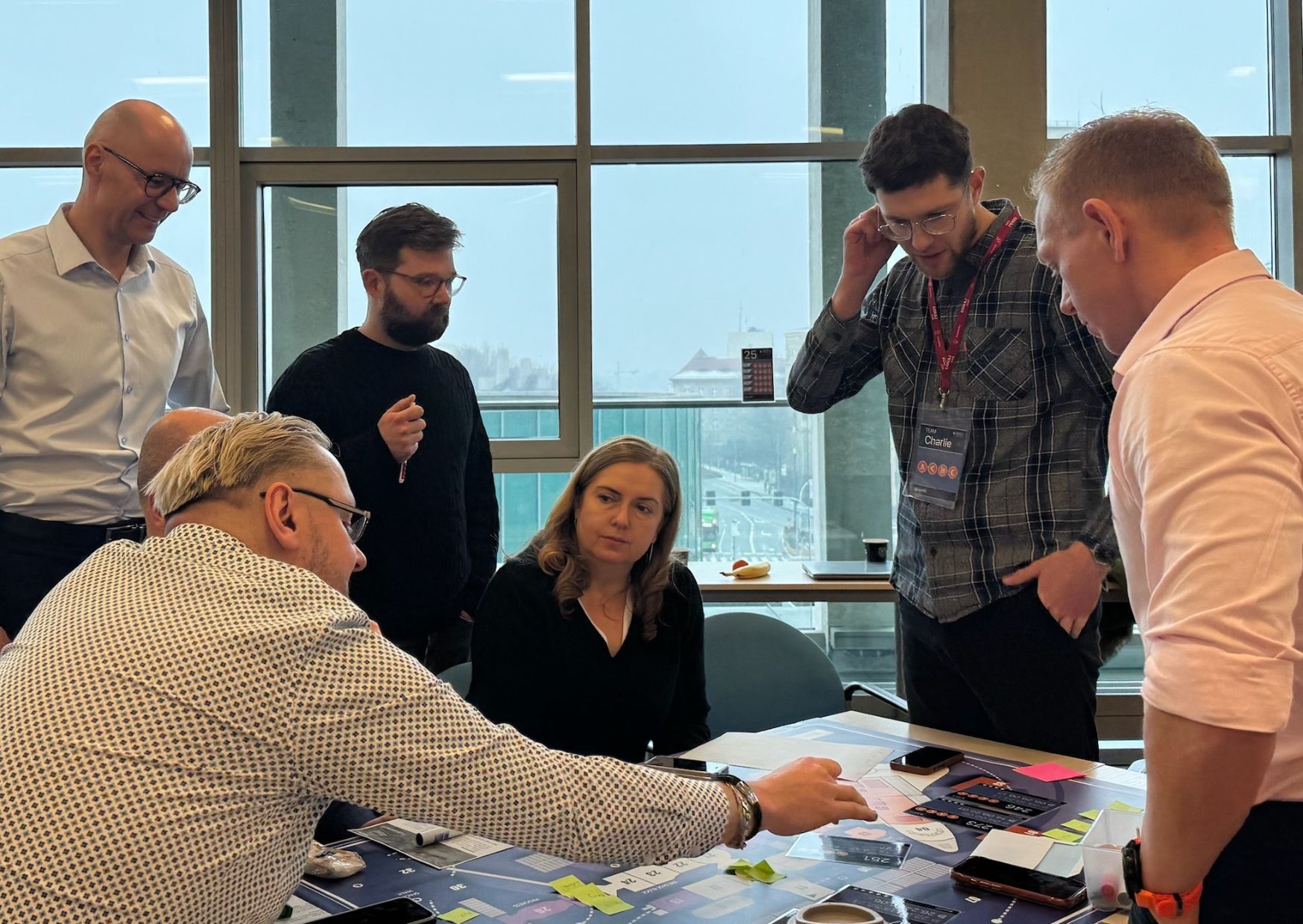
Our project management training goes beyond theory. It combines hands on exercises, real case studies, and exchange of experience with experts. Participants work with proven methods and techniques, including models such as Lewin, that support both organizational change and project management skills.
As a result, participants build key capabilities required for effective project management. This includes planning, communication, progress tracking, and successful project closure. The training also provides a strong foundation for further professional development and supports preparation for industry certifications such as PMP, PRINCE2, or AgilePM. It is a practical way to strengthen professional credibility and long term career growth.
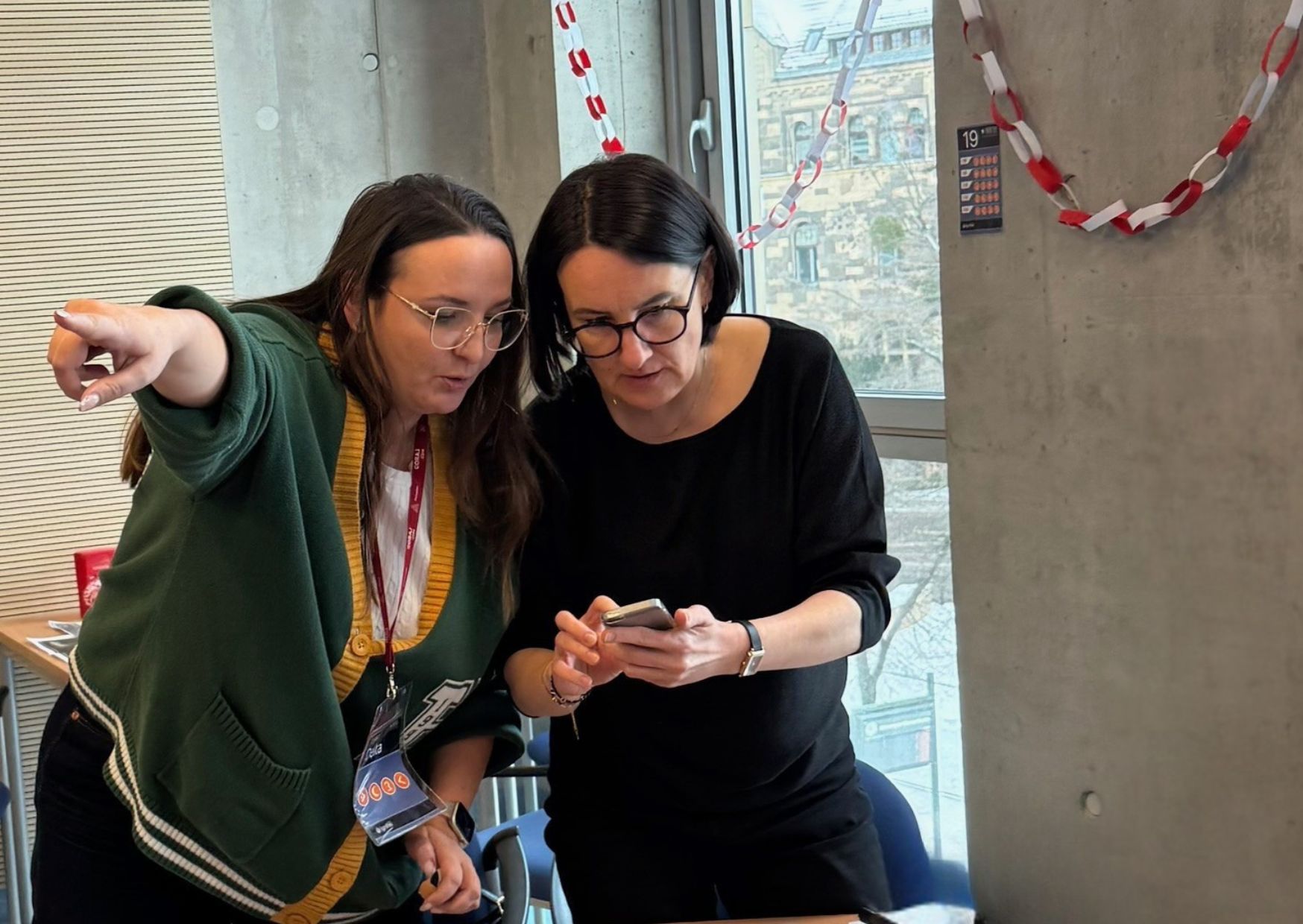
What MIR 91 training delivers to teams and leaders
- Systems Thinking in Project Management
Participants start to see connections between projects, strategy, and operations. This improves predictability and supports more effective implementation of change in a dynamic business environment. - Stronger Portfolio Decisions
Teams learn when to stop projects that no longer make sense, instead of pushing them to completion. Better understanding of the business context supports more accurate portfolio decisions. - Focus on Value, Not Just Activity
Working with real benefit metrics shifts how success is defined. Regular feedback helps teams assess performance and adjust direction as they go. - Mature Approach to Methods
Agile is no longer a trend, and waterfall is no longer the default. Teams choose the right approach based on context, team readiness, and project environment. - More Effective Stakeholder Management
Participants learn how to communicate transformation clearly and work with resistance. This improves engagement and increases overall effectiveness. - Sustainable Team Performance
Teams understand how to manage workload and maintain motivation over time. They learn how to read team reactions and protect energy levels in a changing environment. - A Shared Language for Transformation
MIR ’91 creates a common reference point for conversations about change. This improves communication and supports more consistent implementation across the organization.
Who Should Attend MIR 91 Training
MIR ’91 training is designed for:
- experienced project managers,
- transformation leaders,
- directors and senior executives,
- organizations running multiple initiatives in parallel,
- teams that have completed Raven 13 and want to go further.
It is especially relevant when:
- projects compete for the same resources,
- transformation is ongoing but lacks a clear and consistent direction,
- success is measured by delivery rather than real change,
- teams are overloaded with continuous initiatives,
- organizational changes create risk due to limited readiness of teams and the environment

About me
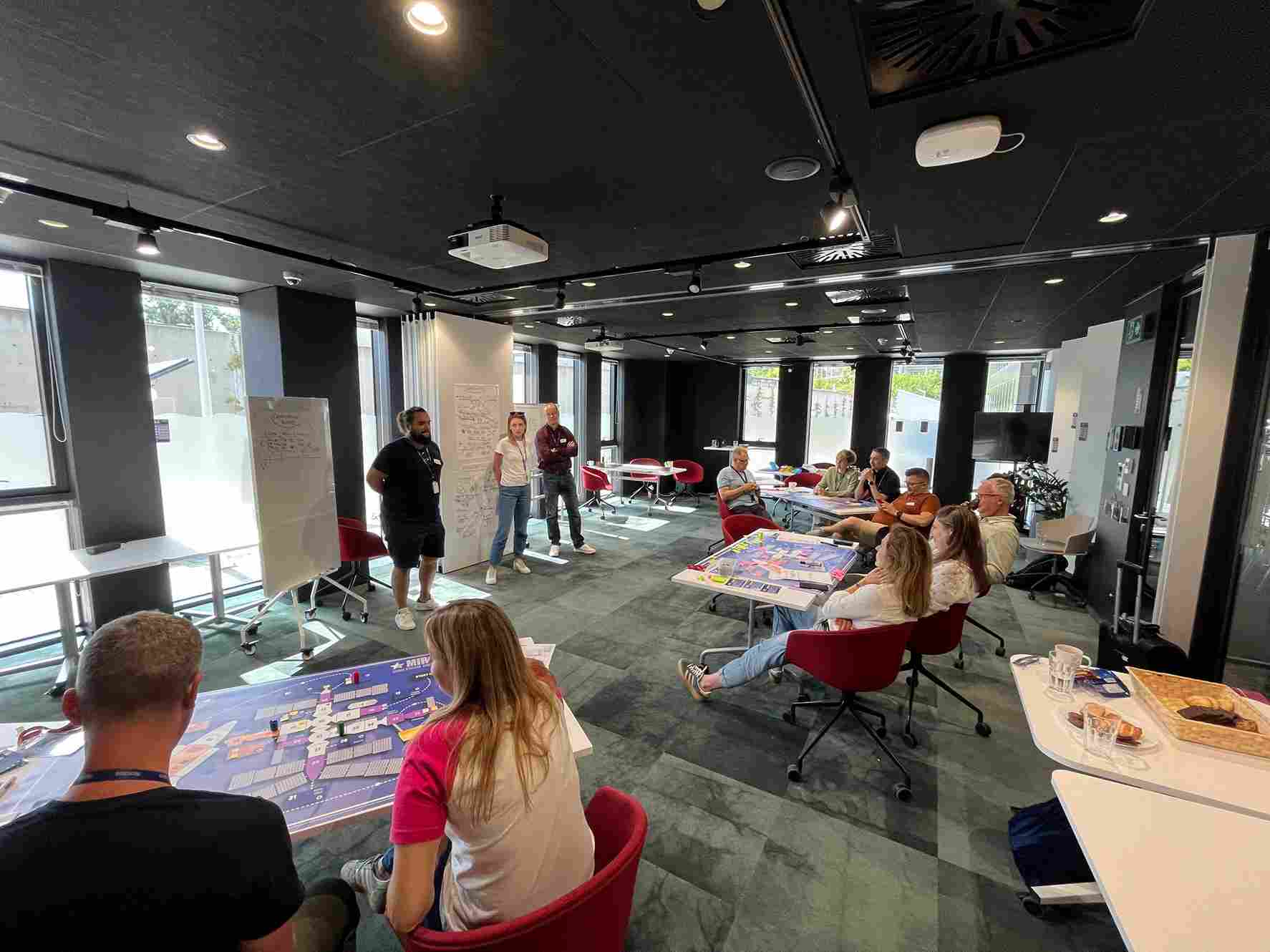
I am a trainer, management practitioner, and an experienced game master delivering business simulations for organizations and leadership teams. I specialize in supporting leaders in complex environments, helping them navigate transformation and make better strategic decisions. In my work, I combine two worlds: the real challenges of running projects and the engaging dynamics of simulation-based learning.
I hold certifications in project management, including PMP, PRINCE2, IPMA, Scrum.org, and AgilePM, which confirm my expertise and knowledge of best practices.
For over 15 years, I have managed projects in Fortune 500 organizations such as Hewlett-Packard and Mondelez International.

Let’s talk about your context
MIR ’91 is not a one size fits all training.
Each engagement starts with understanding your needs and the specifics of your business environment. This allows the training to be tailored to the real challenges your teams face.
During the process, we continuously review feedback and adapt to your situation. This supports effective implementation and ongoing adjustment of strategy based on your organization’s needs and conditions.
Let’s See If MIR 91 Is Right for Your Organization
We will work together to understand your context and business environment, and assess whether MIR ’91 is the right solution and in what form it will deliver the most value.
We also support you in the transformation process, helping ensure that your approach to managing change is effective and aligned with your needs.
Contact me!