Project Management Training: Raven 13

Number of participants
5 – 100
Duration
4 – 8 h
Form
on-site or remotely

What is Raven 13 in the context of project management methodology?

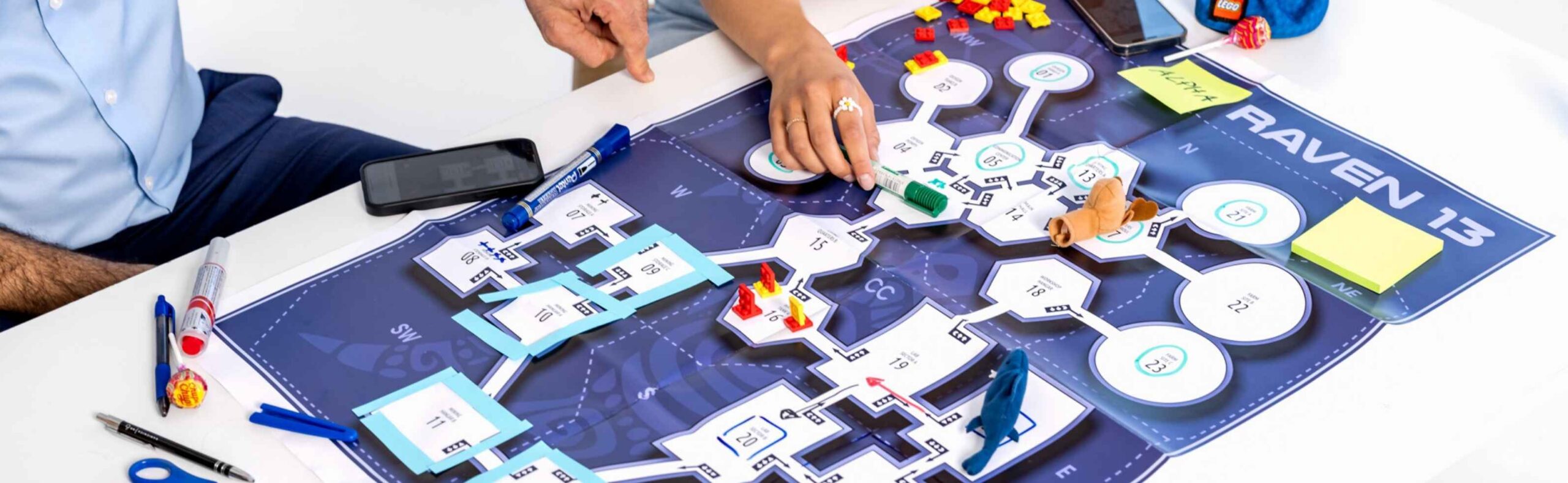
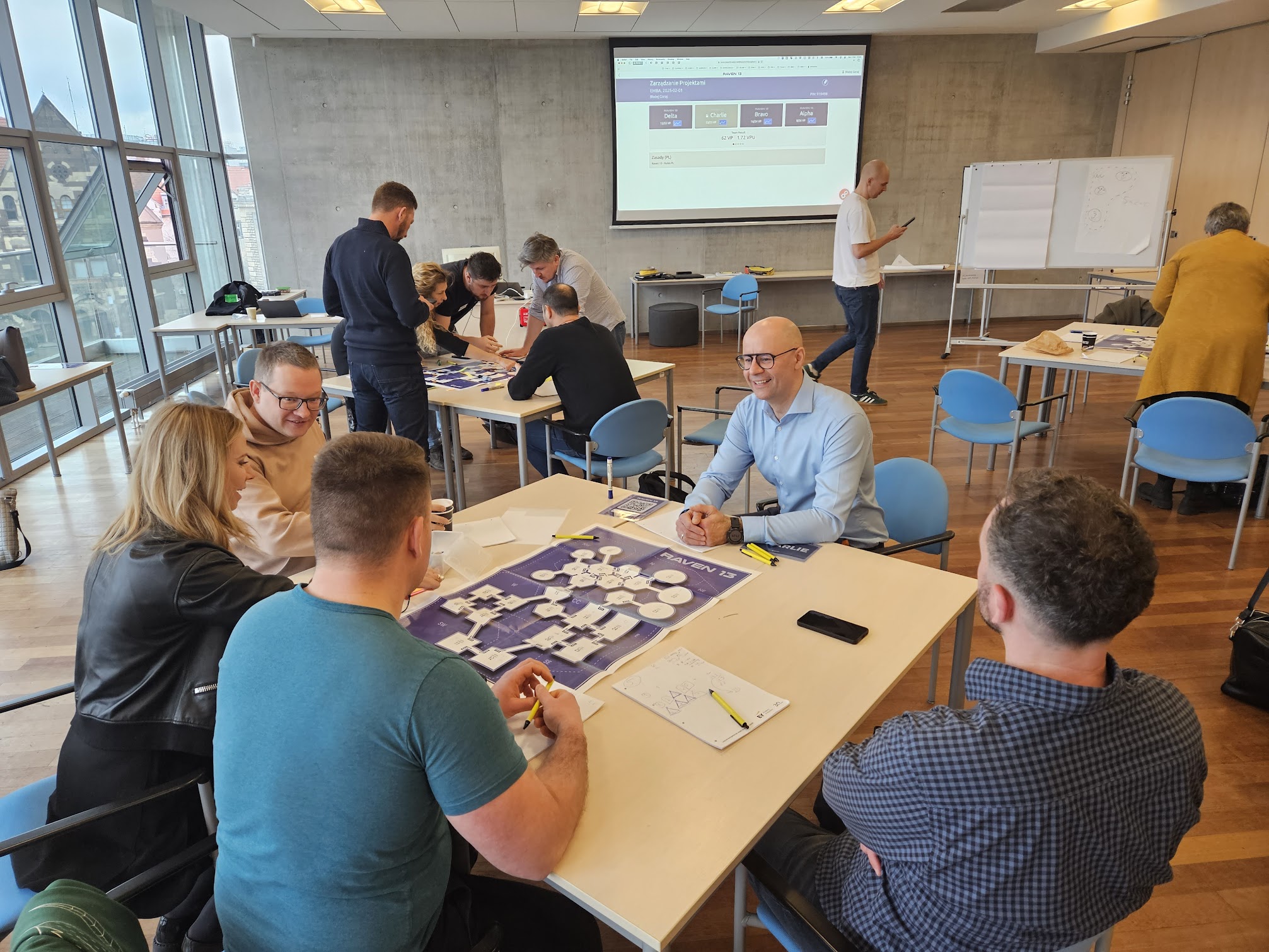
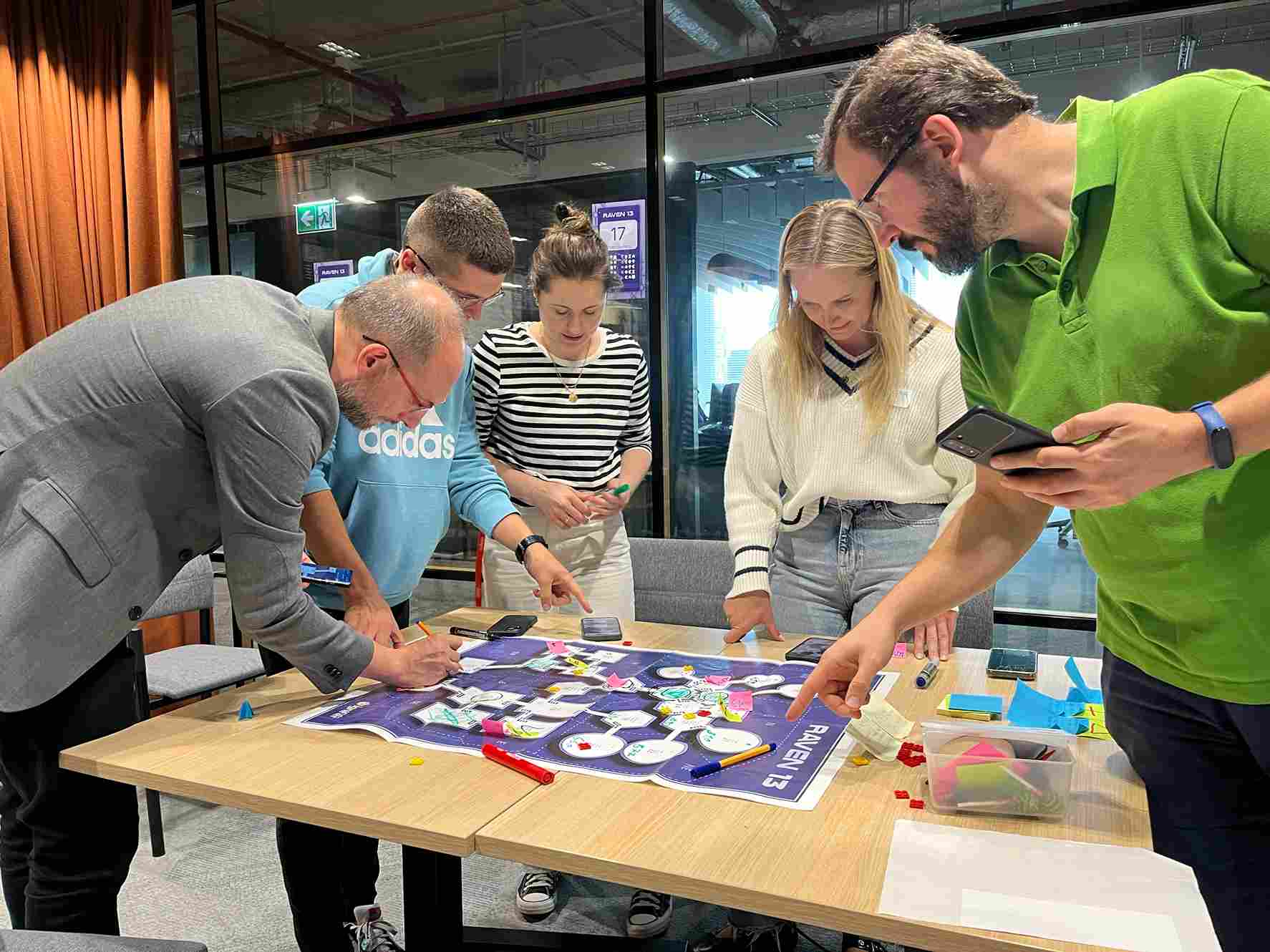
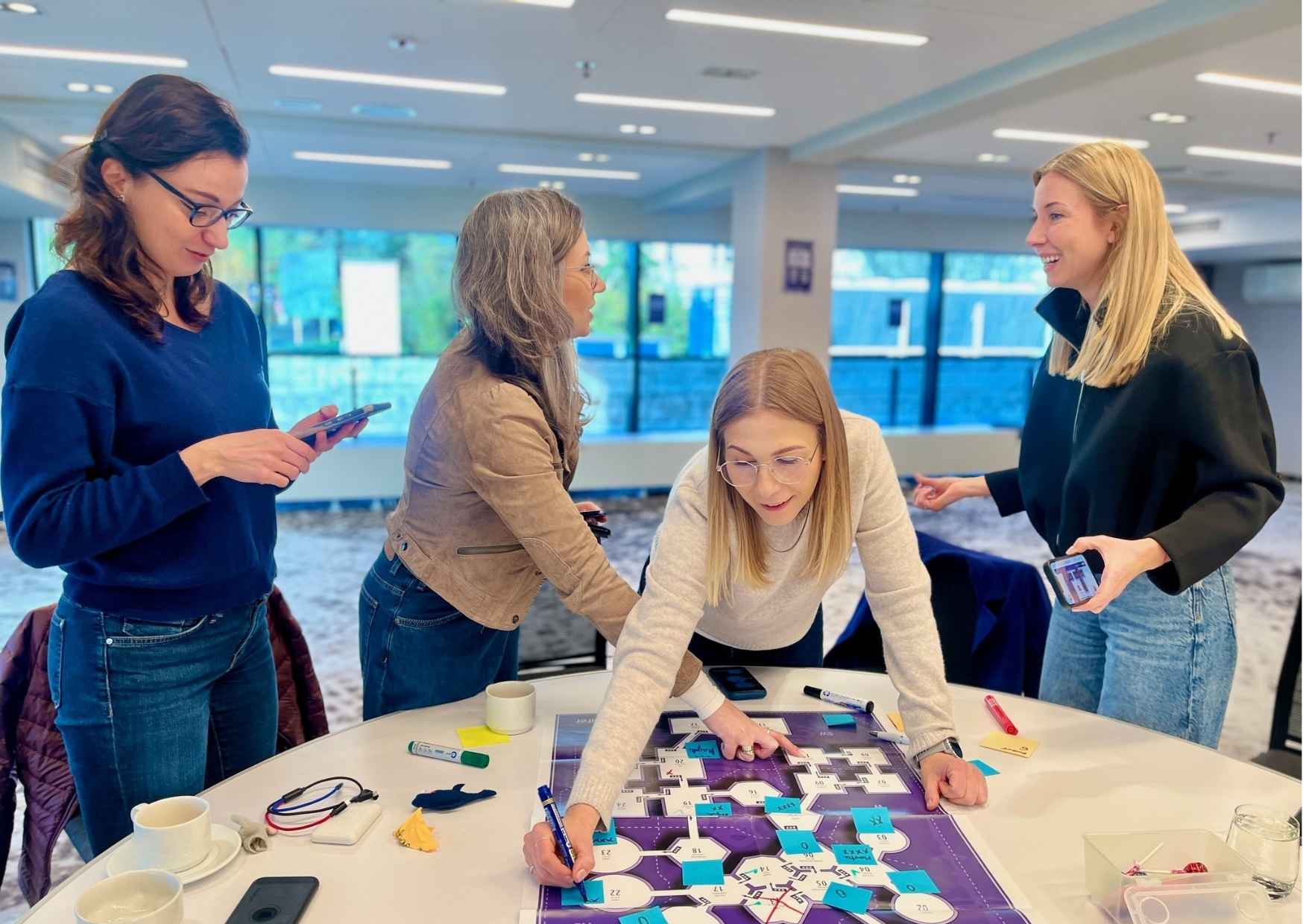
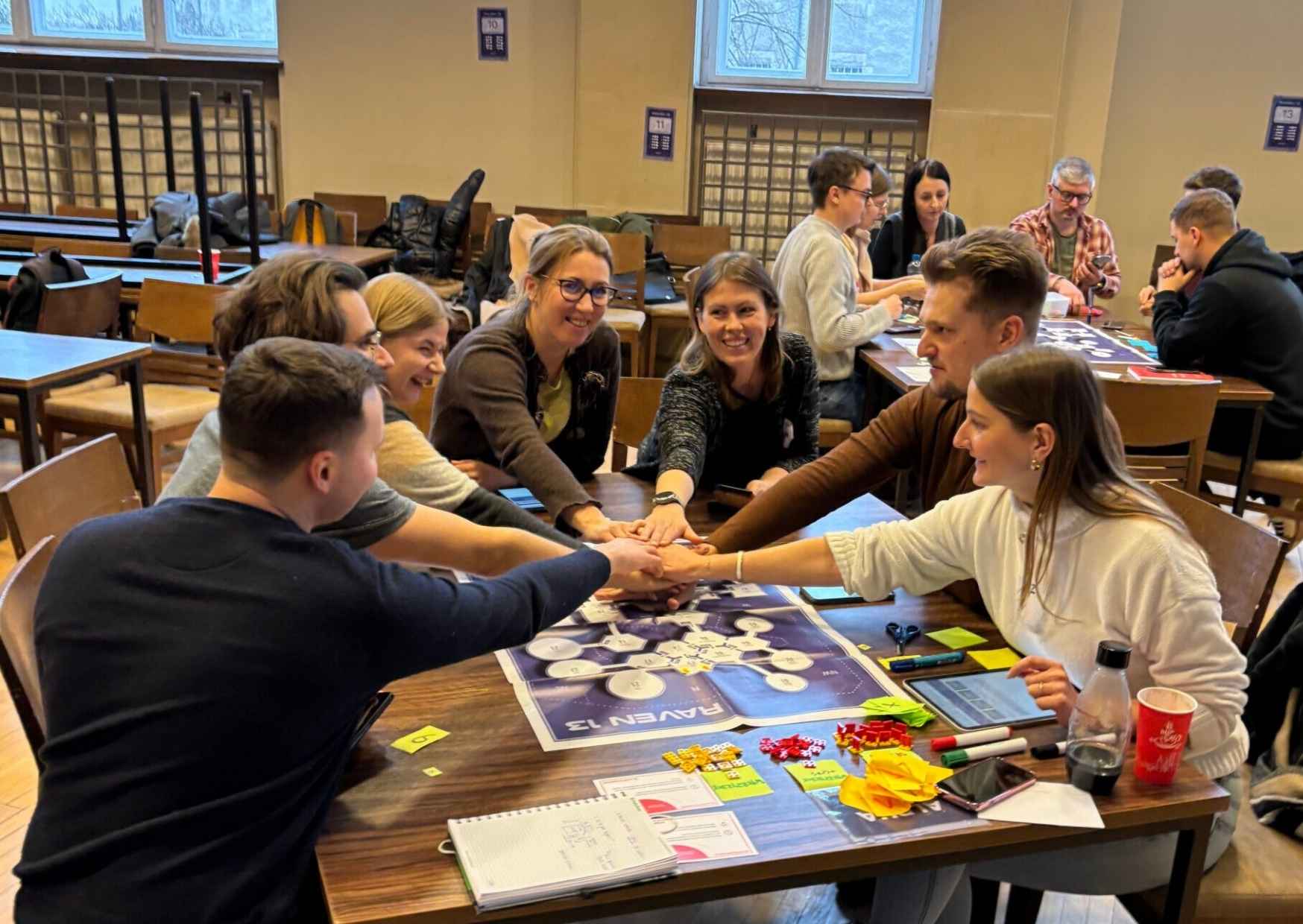
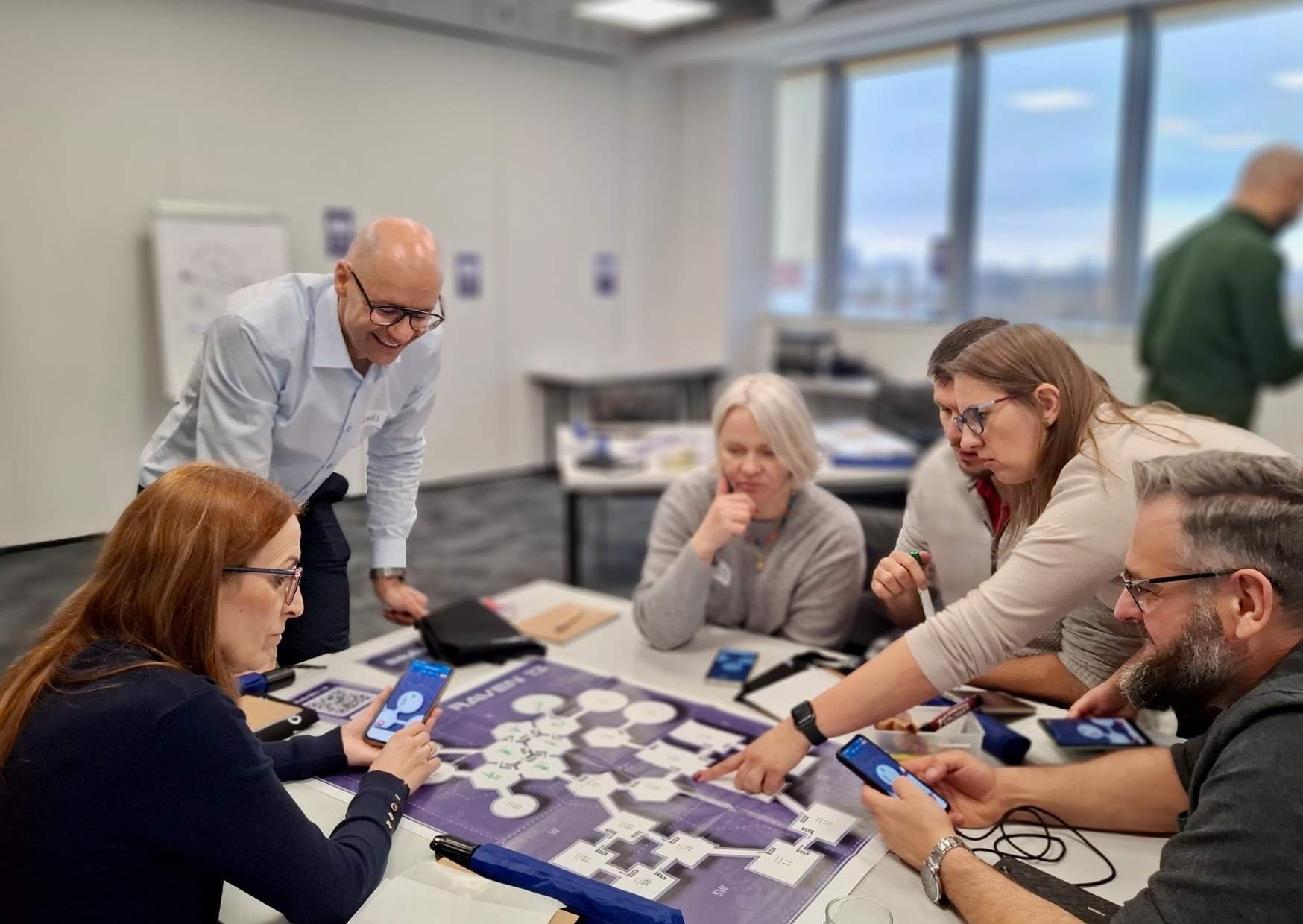
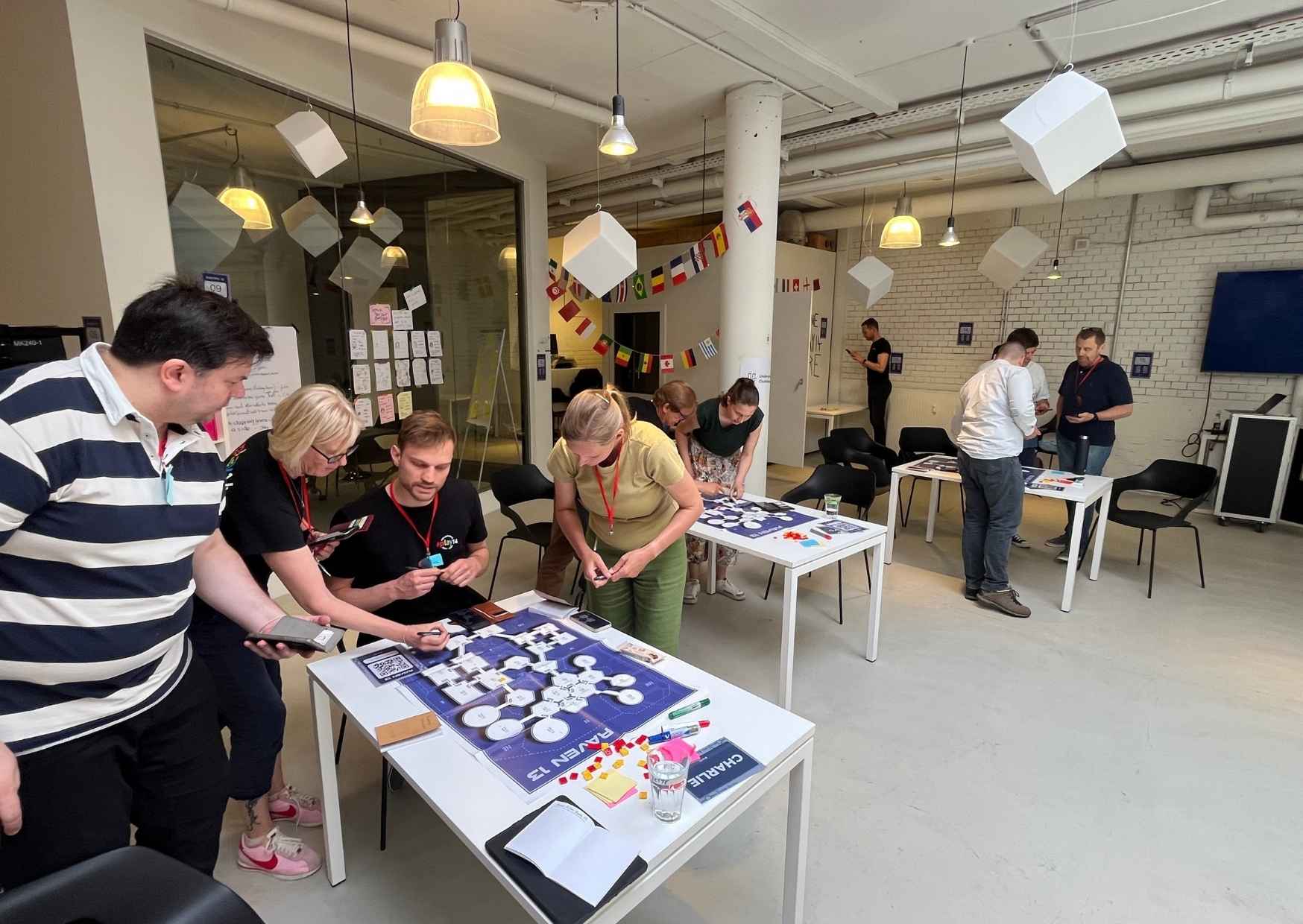
Raven 13 is an intensive, decision-based training in which project teams face real challenges under pressure: limited time, incomplete information, risk, and the need to make tough decisions. Participants develop skills essential for effective project management.

Participants take on the role of a team executing complex rescue operation at an underwater research station threatened by disaster. The fate of the trapped people depends on the quality of collaboration, the accuracy of decisions, and the ability to respond to unforeseen events. The training is based on best practices in project management, and the simulation reflects different project phases while allowing participants to explore various management approaches. Team members gain practical experience, learning effective collaboration and accountability for their decisions. It is an experience for leaders who want to see how their team truly works together and takes responsibility before these mechanisms determine the success of a real project.

What does the project management training program include?

  • Project management standards

  • Team accountability for decisions

  • Improvement of collaboration and communication

  • Skill development without risk

How does Raven 13 relate to the project life cycle?

Raven 13 is a simulation in which participants act as a team undertaking a complex rescue operation under conditions of limited time, fragmented information, and increasing risk with every decision. Throughout the training and planning phases, the group must collectively set priorities, align strategies, make decisions under pressure, and take full responsibility for managing the project. Participants learn to monitor and control project progress and identify risks at every stage of the rescue operation. The training also covers resource and time estimation as key elements of effective project management. It reflects the full project life cycle—from planning, through execution, to closure. Participants practice creating an action plan, implementing it, and controlling the project, while simultaneously learning monitoring mechanisms.


The training program covers key project management topics and provides theoretical knowledge necessary for working with stakeholders. The simulation also introduces agile approaches to change management and highlights the differences between agile and traditional methodologies. Between phases, the facilitator pauses the action to explain key project management mechanisms, highlight observed phenomena, relate them to real-world professional situations, and illustrate concepts with practical examples. The program is not a typical win-focused game but a tool that faithfully reflects real project management, enabling deep understanding in a safe training environment.

Methodologies and Planning

In project management, choosing the right methodology is a key factor in success. Modern organizations can leverage a wide range of approaches-from traditional ones like PRINCE2 or PMBOK to agile methodologies such as AgilePM or Scrum. Each offers different principles and approaches, adaptable to project specifics, team size, or organizational culture. Selecting the right methodology not only ensures smooth project execution but also improves change management and accelerates response to unforeseen situations.

Project planning is the foundation of effective project management. It involves clearly defining objectives, setting the project scope, scheduling tasks, and budgeting. A well-prepared action plan enables efficient resource utilization, minimizes the risk of delays and cost overruns, and facilitates progress monitoring. In practice, proper planning and methodology selection translate into greater predictability and control over project execution, which is invaluable in a dynamic business environment.

Risk and Project Management

Effective risk management is an integral part of successful project management. Every project carries both opportunities and threats-so it is essential for project managers and team members to identify, analyze, and manage them appropriately. Using proven risk management methodologies helps minimize the negative impact of unforeseen events and leverage emerging opportunities to increase project value.

Project management also requires leadership, communication, and analytical skills. Project managers must motivate teams, resolve conflicts, and make sound decisions under time pressure. Practical management practices, such as regular risk analysis, clear role allocation, and efficient meetings, improve project control and increase goal achievement. The combination of hard tools and soft skills is what drives success in project management.

Certifications and Knowledge

Project management training and courses are not just theory-they include practical exercises, case studies, and knowledge exchange with experts. Participants develop competencies crucial for effective project management: from action planning and progress monitoring to successful project closure. Investing in skill development through our training provides a strong foundation for career growth and opens the door to industry certifications such as PMP, PRINCE2, or AgilePM. It is the best way to build a competitive edge in the rapidly changing world of project management.

What does Raven 13 really offer teams and leaders?

  1. Better decisions under pressure
    Participants experience firsthand how decision-making style directly affects project speed, quality, and risk levels.
  2. Unified project management standards
    The simulation creates a neutral reference point that can be applied to real projects, reducing personal tension and subjective judgment.
  3. Greater team accountability
    Decisions in the simulation have real consequences, fostering maturity and shared responsibility for results.
  4. Awareness of barriers and bottlenecks
    Participants clearly see how unclear priorities, vague task allocation, or communication chaos impact efficiency.
  5. Practical risk management
    Identifying and marking risks in the game helps the team calibrate and improve their response to unforeseen events.
  6. Understanding that strategy matters more than the plan
    Participants learn that collaboratively defining strategy and rules has a greater impact than a perfect, detailed plan disconnected from the team.
  7. A learning organization mindset
    The team practices pausing to extract lessons learned based on concrete facts, not just declarations.
  8. Transparency in management (pull vs. push)
    Working on a shared map fosters responsibility and transparency, promoting a system where tasks are taken by team members rather than simply delegated.
  9. Appreciation of cognitive diversity
    Introducing thinking styles (e.g., FRIS® model) shows participants how appropriately matching people with different predispositions influences project outcomes.

Raven 13 develops essential project management skills, directly increasing participants’ competitiveness in the job market. The course is suitable for beginners, experienced project managers, and employees wishing to expand their project management competencies. It is led by an expert with practical project management experience, ensuring participants learn current methods, tools, and best practices.

Who is Raven 13 for?
Raven 13 is most effective for:
  • project team leaders
  • project managers and department directors,
  • employees executing complex projects,
  • organizations undergoing change or scaling.
Particularly in contexts where:
  • projects run alongside day-to-day operations,
  • responsibility is unclear,
  • decisions are delayed or made reactively.
Check out my work method!
Błażej Goraj

Informacje o prowadzącym

I am a trainer and practitioner of project management, and one of the most experienced simulation masters leading business exercises in Poland. I combine the hard realities of corporate projects with engaging simulation mechanics. I do not believe in boring lectures-I believe in earning through experience.

For years, I have worked in project management, conducting courses and sharing extensive experience gained from numerous projects. I hold certifications in project management, including PMP, PRINCE2®, IPMA, Scrum.org, and AgilePM, confirming my competence and knowledge of best practices.

Before designing and leading simulations, I managed projects for over 15 years in Fortune 500 companies, such as Hewlett-Packard and Mondelez International.

Learn more

Let’s Talk About Your Context

Raven 13 is not “off-the-shelf training.” Every session is tailored to the real challenges in your projects.


If you want to see whether project management training makes sense for your organization, let’s schedule a conversation.
Together, we will analyze whether Raven 13 is the right tool and determine the format that delivers the greatest value.

Contact us!